Design the Game to Win
Keynotes and coaching to work smarter, collaborate better and make new things
---
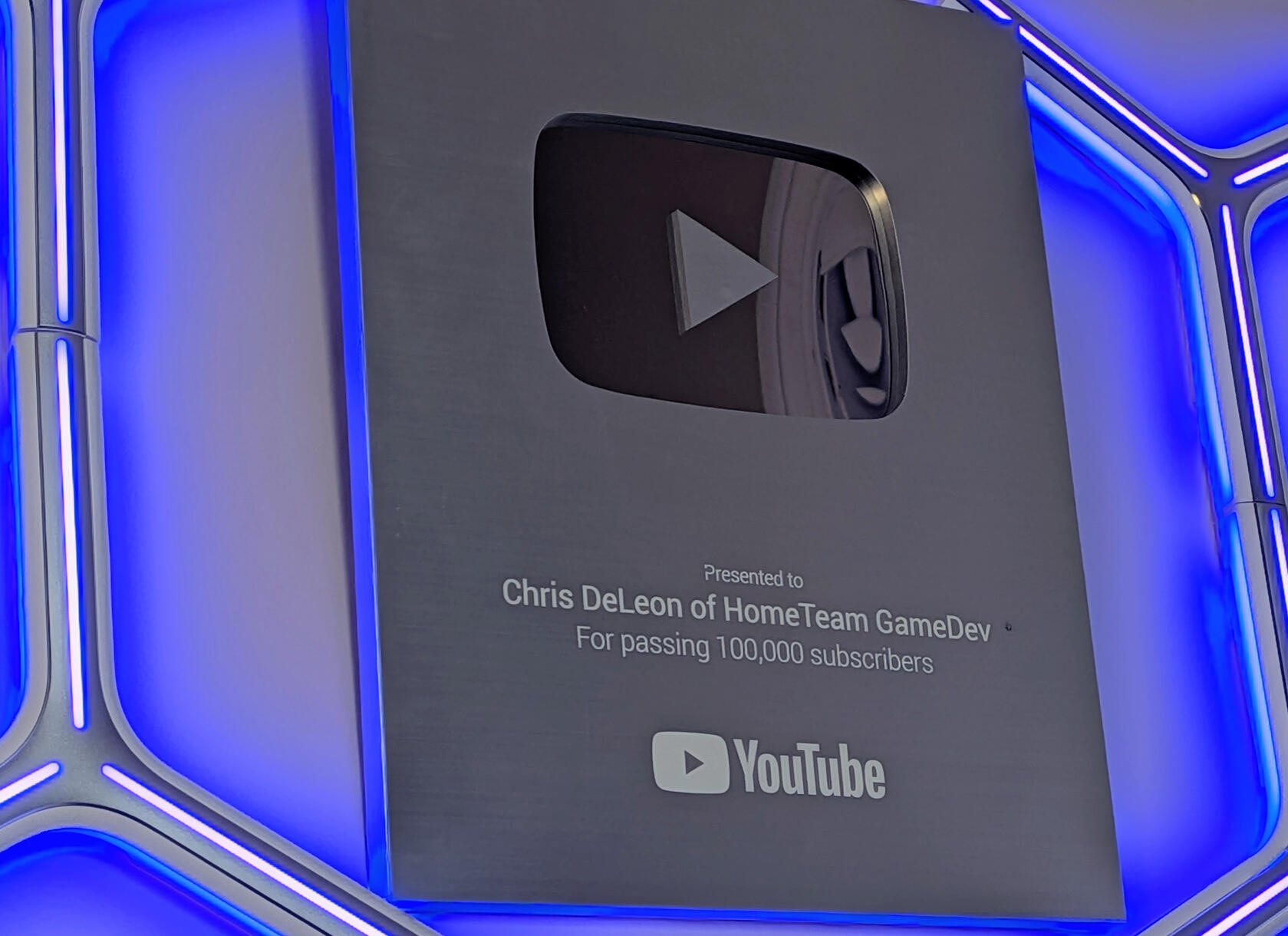
10 million YouTube views
400,000 video course students
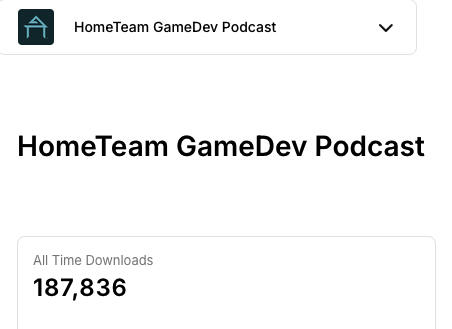
190,000 podcast downloads
100s of project leads trained
80+ speaking events and panels
Community builder for 20 years
Founder, author, university educator
Forbes 30 Under 30, First Year


Chris DeLeon began his career as a Technical Game Designer for Electronic Arts (Medal of Honor and Steven Spielberg's BAFTA-winning Boom Blox), joined as the 4th hire at a Silicon Valley start-up that turned into PopCap San Francisco, made a best-selling iPhone game (Topple) and built prototypes for Will Wright's small R&D company.Chris left the PhD track in 2014 after Georgia Tech and Carnegie Mellon alumni in the game industry told him the training clubs he established at both colleges were pivotal for their careers. He built Dev Pods to make his systems available for more people, where his leadership training and team process led to 237 released games since 2015. He taught 4 classes on these same methods at Northeastern University in 2023-2024.Community building is a top priority for Chris. He helped on the organizing team coordinating speakers and panels for IndieCade 2014-2018, and chaired the Board of Directors for the nonprofit International Game Developers Association's LA chapter in 2020. Chris also serves on the advisory board for a STEM magnet (C:\DAGS).Chris is available for keynote speaking, workshops and small business coaching, including for companies outside the game industry and clients who don't play games.Brands he's been a speaker for, or had his work featured by, include:



"Chris was prepared, easy to work with, and aware of the role a closing keynote needed to play"
Tyler Coleman • Greenlight Jam Host, Retora Games Creative Director
See the testimonials page for the full quote
Though the method Chris specializes in is one he created 20 years ago for his training clubs, and has been used by hundreds of developers to finish long-term team projects, his concepts and stories are relevant for any field where, like game development:
-
Experts have to adapt to changing technology and business models
-
Multi-disciplinary teams work through friction from differing perspectives
-
Deadlines can't change but time estimation is hard due to surprises and unknowns
His talks and books aren't only for game developers - he's passionate about speaking with audiences outside his industry.

"I recommend Chris DeLeon to be a speaker at any engagement full-heartedly. He's good."
Chad Stewart • Mini-Con Organizer
See the testimonials page for the full quote

"Chris talks about things that get teams firing on all cylinders... and how teams can stay aligned as development progresses."
Trevor Stricker • Cofounder and VP of Technology at Mightier
See the testimonials page for the full quote
Topic 1: Find the Fun in Business
Playing the game to have greater impact
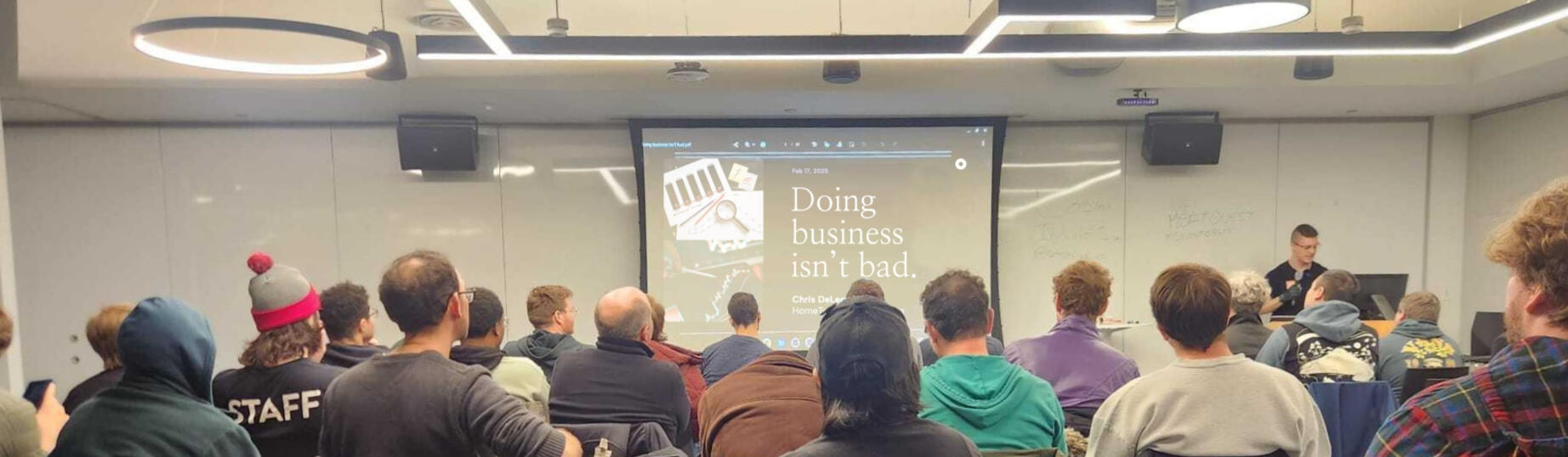
Talk Description
Many people view the business side with suspicion.Even the idea of "business side" is from not seeing themselves as on the same team. People subconsciously hold back, instead of thriving in their role, if the big picture feels off to them.I saw this as a game designer, engineer, educator, in a giant studio and a start-up - even felt it about my first company. To do my best work, I had to find ways to reframe the business side by saying what's often left unsaid about its importance to a team's purpose.This shift made such a difference in my life that I'm now on a mission to share these stories with as many people as I can, so they too can feel better in their careers and the people they work with.
Audience Outcomes
-
Motivation Without Hesitation: You go to great lengths to recruit and retain talented people, but if they don't feel right about business they can't bring their full potential to the work.
-
Unblock Communication: Specialists each see different risks and opportunities. People who feel better about business will share those observations sooner, while there's time to act.
-
Business Model Innovation: When technology, pricing, and users change, businesses that thrive in that transition have to collaborate on experiments where business and specialist expertise overlap. That can only happen if people fully see themselves as being on the same side, with a shared purpose.
Related Game Design Concepts: Motivating Narrative, Moat to Clone, Community-Driven Development, Blue Ocean Design
60-minute talk for experts feeling disillusioned, whether new to the field or discouraged from changes and uncertainty

"I attended one of Chris's talks where he shared helpful business tips... useful tips I still use today"
Matt Russiello • Software Engineer
See the testimonials page for the full quote
Topic 2: Embrace Your Human Advantage
Everyone today needs to do our work in ways AI can't
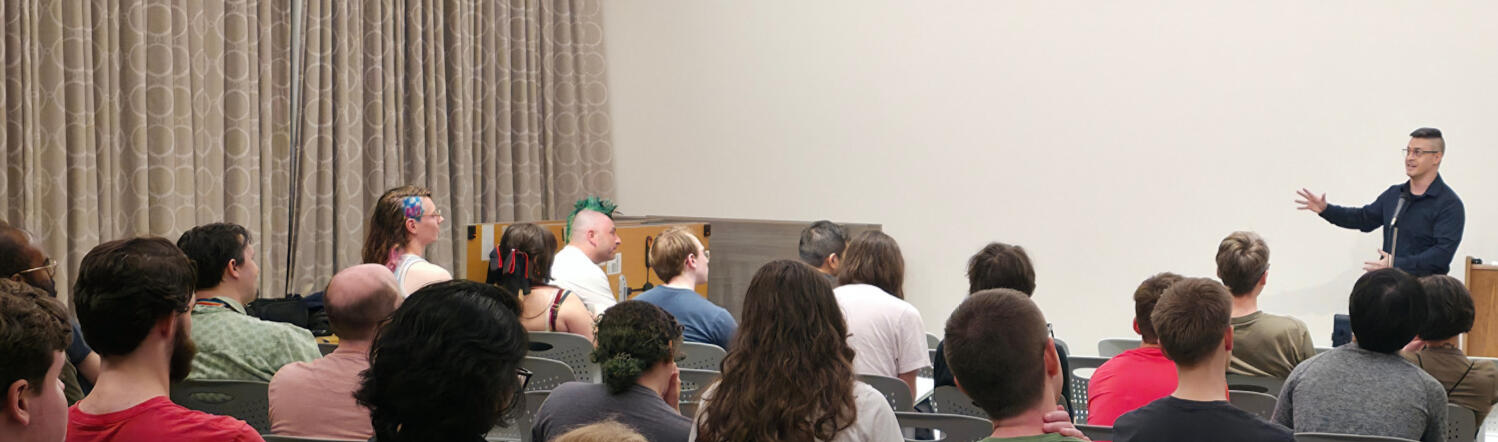
Talk Description
A comic writer may try AI as their artist, and a comic artist may try AI as their writer. A publisher may try AI to do both. But a customer who is ok with that can just use AI themselves. The more AI is leaned on, the more customers don't need the business involved.To survive, businesses will still have to combine rare expertise and a network built on trust to do things better than customers can.Even if your team uses AI in some ways, the human advantage is doing what AI can't. AI can't have a purpose to strive for, or help people feel appreciated. It can't listen, pay attention, or care.Video courses first took off while I taught my first college classes, and were normalized by the time I taught as an adjunct a decade later. Millions of students can now watch one lecture, done one time, by one instructor. Why didn't videos replace classrooms? Because educators make it matter who is in the room together.To thrive in this era, that's something everyone will need to do.
Audience Outcomes
-
Make Your Business Irreplaceable: As more people turn to AI instead of a company using AI for them, a customer or client will choose your team because of your team, but only if they do things in ways that AI can't be used to do, instead.
-
Expand Your Economic Moat: The things your team can do that your competitors can't match come down to the specific people on your team and their unique strengths.
-
Boost Morale and Retention: People find it fulfilling when they can tell it matters they're the people in their roles, feeling valued by a company that takes time to understand and make effective use of what makes them different.
Related Game Design Concepts: Multiplayer Archetype Classes, PvE Co-Op Balance, Social Core Loop, Indie Innovation
60-minute talk for teams looking to celebrate their humanity and see the competitive advantage in the people they have

"deeply energized by Chris' talk on the power of interdisciplinary collaboration.... infectious energy"
Nick Carbonara • Producer
See the testimonials page for the full quote
Workshop: Always Have a Map to the Finish
Follow through even when taking on new challenges
Workshop Description
A well-understood, repeatable, predictable process is easy to schedule. What makes my method different is it's suitable for situations where one or more of the following apply:
-
It's innovative or custom, so there isn't a clear pattern to follow
-
Team members need to learn new skills in order to finish it
-
The project needs to start before unknowns can be ironed out
-
There's a risk of disruptive surprises or pivots along the way
Computer games are hard projects to plan or finish. They meet all 4 criteria above. Yet hundreds of teams used my approach to plan and finish their games, on time - even some teams of all beginners.But my method isn't limited to games, it's relevant for any project with significant unknowns, innovation and learning.At the core is a simple schedule, with an easy update process so it stays relevant and usable. The format doubles as a communication tool, helping teams notice and navigate major decisions together.
-
Workshops can be delivered in-person or remotely.
-
Examples can be tailored to fit your field or team context.
-
I can adapt this for students, or faculty teaching it to students, as it applies for capstones, master's projects, and group work.
Audience Outcomes
-
Hit Deadlines Predictably: The obvious benefit is budget control. The less obvious benefit is earning customer trust, and improved marketing by announcing dates far in advance.
-
Reduce Burnout or Crunch: I'll show how to course correct in steps for a sustainable pace, so talented people stick around.
-
Better Results in the Same Time: Priorities and milestones lower the risk of releasing in bad shape with unsolved issues.
-
Embrace Learning and Innovation: This method doesn't rely on predicting the future or doing only what's familiar. It works even if your team is learning as they go, trying experiments to inform decisions, and exploring innovative opportunities.
Related Game Design Concepts: Quest Log, Compass UI, Map Reveal, Progression Gating, Tutorial Design, Emergent Storytelling
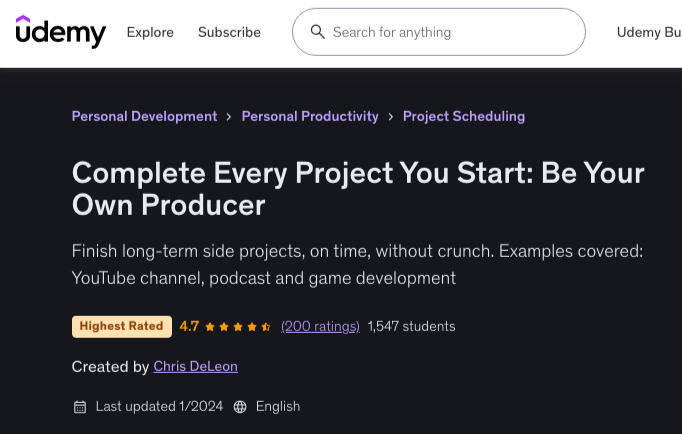
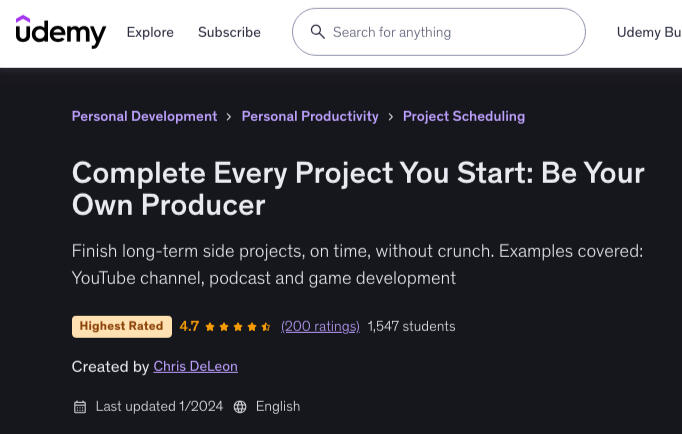
My course's Highest Rated tag comes and goes - a course is catching up.
(I'm glad! We all benefit from more good courses covering this skill.)
Half-day or full-day workshop for people who need to hit a release date that will involve big unknowns and new learning

"Chris has a remarkable ability to connect with participants wherever they are in their journey"
Stephanie Barish • IndieCade CEO
See the testimonials page for the full quote
Event Planner Testimonials

Andrew Greenberg
Georgia Game Developers Executive Director
"Approachable to new audiences, depth experienced attendees want"
"Through the years Chris DeLeon has spoken at our events, he has proven himself able to make difficult concepts approachable to new audiences while providing the depth more experienced attendees want. The variety of topics on which he can speak make him a strong asset for any conference."

Stephanie Barish
IndieCade CEO
"Gift of connecting... practical knowledge while inspiring people"
"Chris DeLeon has the great gift of connecting with others and leverages that ability in his speaking and teaching, sharing practical knowledge while inspiring people on professional development, networking and career goals. Chris has a remarkable ability to connect with participants wherever they are in their journey and provide them with what they need to take their next step. Not only is Chris an excellent presenter, but also a trusted community member for more than a decade. He is thoughtful, collaborative, and deeply invested in the success of others. We hope that everyone is as lucky as we are to have him speak at their events and in their communities."

Chad Stewart
Mini-Con Organizer
"passionate, knowledgeable speaker with a strong ability to connect"
"Chris DeLeon is a passionate, knowledgeable speaker with a strong ability to connect with our audience. He understands how to correctly weave a story into a relatable lesson. 'Oh, well of course!' you will hear the collective crowd realize as he goes past the surface level and explores what motivates people. I recommend Chris DeLeon to be a speaker at any engagement full-heartedly. He's good."

Tyler Coleman
Greenlight Jam Co-Creator, Retora Games Creative Director
"aware of the role a closing keynote needed to play"
"I invited Chris to give the closing keynote for Greenlight Jam, a five-week game jam built around weekly sprints and public deliverables.We needed the final talk to help teams make sense of what they had just built, especially after several weeks of deadlines, feedback, and unfinished ideas. Chris understood that context. His talk gave participants a practical way to think about finishing, learning from the work, and deciding what to do next.From an organizer’s perspective, Chris was prepared, easy to work with, and aware of the role a closing keynote needed to play. I would recommend him to programs that want a speaker who can speak to creative work without turning it into hype."

Gavin Camlin
Event Organizer
"helping people navigate their own personal motivations and passion"
"Chris is one of the most consistent speakers for our community. In one of my favorite talks he gave, he did an excellent job at helping people navigate their own personal motivations and passion."

Kevin Wong
2017 Event Organizer for USC MEGA and Art Institute of Hollywood
"Excellent keynote... motivated to make the most out of the weekend"
"Chris DeLeon gave an excellent keynote for our Global Game Jam site that set the right tone and expectations for our participants to do exciting and creative work. Participants went into the jam highly motivated to make the most out of the weekend."

Chris Maire
Boston GameDev President
"energizing new perspectives... insightful, uplifting, professional"
"Chris has been a frequent speaker at our events, and consistently delivered talks that brought energizing new perspectives. Our community has really benefited. He has a really positive energy, is insightful, uplifting, and professional. I absolutely recommend Chris as a speaker!"
Audience Testimonials

Trevor Stricker
Cofounder and VP of Technology at Mightier
"talks ring with years of experience getting people to cooperate"
"Chris speaks with years of authority on the most difficult part of building things: working as a team. Getting humans to collaborate effectively is the only way to build something with dozens, or even hundreds, of people. Chris talks about things that get teams firing on all cylinders: how technical and artistic people can speak each other's languages, how business people can get development working on what moves the needle, and how teams can stay aligned as development progresses. His talks ring with years of experience getting people to cooperate across time zones, ability levels, and disciplines."

Matt Russiello
Software Engineer
"able to get his points across very effectively... tips I still use today"
"I attended one of Chris's talks where he shared helpful business tips. He was able to get his points across very effectively and I walked away with many useful tips I still use today."

Sasha E Head
Graphic Designer,
2D Artist
"I left his talk feeling hopeful, inspired, and motivated"
"It’s all too easy to forget the most low-tech tools in the box: human connection and collaboration. Chris’s whole body of work is a galvanizing reminder of why we enter this space and what keeps us coming back. I left his talk feeling hopeful, inspired, and motivated—all feelings we need a bit more of these days!"

Nick Carbonara
Producer
"left me not only better informed, but also more enthusiastic"
"I was deeply energized by Chris' talk on the power of interdisciplinary collaboration. His eloquence and infectious energy left me not only better informed, but also more enthusiastic about the topic at hand. I would love to attend one of his talks again."
Karlee Perpignant
AI Engineering Fellow
"inspirational and was moved by it"
"Caught his inspirational talk live and was moved by it. Chris is a great speaker!"

Mark Aldrich
Solo Developer
"learn a lot from Chris's speeches"
"You learn a lot from Chris's speeches, often that you have more to learn!"
Resources to Start, Stay on Task, and Finish

Bilal Cheema
"Helped me present myself in a way that's convincing for my clients"
"I am a freelancer and the processes taught in Complete Every Project helped me present myself in a way that's convincing for my clients. I use a Trello board to create a schedule, share it with my client and leave it to his discretion as to whether he would like to proceed forward. This not only allows me to get clients but also filters out the kind of clients that I don't like to work with. The weekly process not only helps me stay motivated to do the tasks on time but also, allows me to get client feedback and improve the direction of the project. In any business deals, presenting your work is actually as important as the work itself."
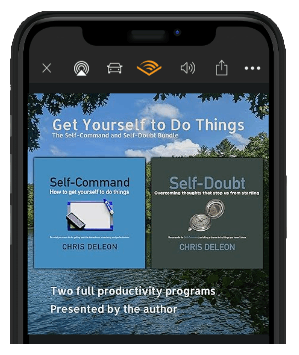
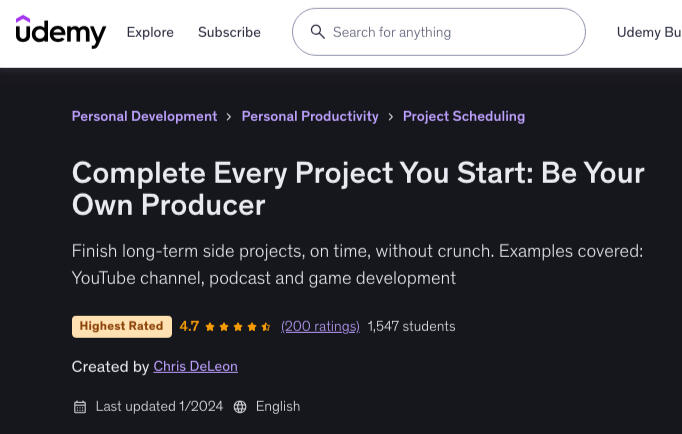
My first books in 2014 were on game development, including a 550-page coding textbook and a 450-page book on game design. The textbook became the basis of my two most popular video courses (taken by more than 400,000 students), private lessons, and my group training community.In 2019 I published my first non-game development book, focusing on productivity, specifically a technique to stay on task with improved focus and follow-through. I titled that book and audio program Self-Command. I followed it with Self-Doubt, which addresses reasons people don't let themselves start certain tasks. When I adapted these books for Amazon Kindle and Audible I bundled both audio programs and ebooks together as Get Yourself to Do Things.Most of the 7,000 people who bought these materials got them where I self-published, on Gumroad and itch.io, not on Amazon. I directed my customers to those platforms since they have a better deal for authors.When I released my project planning video course in 2024 - on scheduling and finishing long-term projects - I included Get Yourself to Do Things with it. The course is how to arrange tasks that Self-Doubt can help people start, and Self-Command can help people stay on task to do. Find out more, listen to preview sections, or purchase my materials here. Here's how these programs relate:
-
Self-Command (first half of Get Yourself to Do Things) helps people stay on task, following through on what's important
-
Self-Doubt (second half of Get Yourself to Do Things) helps people overcome the reasons we put off trying new things
-
Complete Every Project (video course, includes GYtDT) shows how to organize those tasks to add up as finished projects
Book or Course Reviews and Testimonials
BaronJ67
"by applying Chris' method I have been dramatically more productive"
"I was a person who would sit and internally debate about what I need to do next. Then it would turn into hours of me thinking about working/completing task and not actually doing them... by applying Chris' method I have been dramatically more productive. But most importantly I now enjoy my downtime without the stress/anxiety of something needing to be done."

Doug @goodkid-saadcity.bsky.social
"I use the techniques from the course every week in my dev job"
"I’m not a game dev, but I took this course [Complete Every Project] earlier this year because I wanted to learn project management 101. I use the techniques from the course every week in my dev job. I especially recommend it for adhd people — chris’ methods clicked in a way other PM courses I tried didn’t. check it out!"

Diana @Korpii
"One of the most adhd friendly 'productivity' courses"
"One of the most adhd friendly 'productivity' courses I've ever found. I loooove how this course is focused on creative projects. Most of the courses out there are for traditional project management or software. I usually take courses 2x playback, otherwise I get distracted, but this one? There wasn't any need. This teaching style really fits my learning process. It felt more like talking casually while drinking coffee, like we were having an actual conversation. 'Planning to Learn' was among my fav lessons, because when trying new things, we don't know what we don't know. Now when I'm building some things on the side I'm like... wait... this 'task' actually involves X,Y, and Z, too, let's go step by step. It helps fighting adhd paralysis when a task seems daunting."

Rodrigo Bonzerr Lopez
"It helped me finish a book that I've been working on since 2019"
"One of the things I loved in Self-Doubt is the importance of getting your work out there. If you don't publish your work, you will not benefit from it, and the public who you can help will also not be benefitting from it. It helped me finish a book that I've been working on since 2019."

myleah.bsky.social
"helping to reframe the way you think about task management"
"I recommend checking out some of the resources by Chris DeLeon! I recently started listening to some of his stuff and have found it immensely helpful, even for just helping to reframe the way you think about task management. Hope it can help!!"

Tyler Owens
"this strategy has felt like a breakthrough for me"
"I thought I’d give it a try, even implementing some of the suggestions same day. I got more done in an hour after picking up the white board than I had in the 8 hours I had worked prior to getting it. I’ve found it tremendously helpful in developing agency over my attention energy and motivation. I have been more effective at staying on task, which creates space for deliberate self care and helps me write an optimistic personal narrative about how I spent my time.I’m not one for "productivity" but I do often struggle to accomplish both the things I want and need to do, especially dedicating time to resting. Since adopting some strategies learned from the audiobooks I have consistently been able to set clear goals then accomplish them.I’m actually really excited about the future because... this strategy has felt like a breakthrough for me. [followup message months later, added with permission] I continue to find this strategy extremely helpful!"

RethinkJeff
"Find yourself struggling to start, I can not recommend it higher"
"Veteran shoutout for Chris's book Self-Command. Talks about solving a meaningful problem many of us have. If you find yourself struggling to start, I can not recommend it higher. We all know service jacks you up, especially with setting independent, meaningful goals. Check it out."

Hamza "Hums" Sehavdic
"Necessary and sobering for any frustrated and creative person"
"Chris DeLeon's 'Self-Command' is both necessary and sobering for any frustrated and creative person in the post-internet era, where resources are infinitely growing yet attention spans shrink to near-zero. DeLeon's book is unique in the world of self-help, showing a rare empathy as he acknowledges the very real pitfalls people face and offers pragmatic guidance despite our seasonal slumps. My first listen with 'Self-Command' marked a significant turning point, helping me become more robust and achieve my academic and professional goals. Routine re-listenings of the book keep me steadfast."

Phill Hermans
@phillhermans
"For anyone who has projects that they struggle to complete"
"This course [Complete Every Project] is great! Useful for anyone who has projects that they struggle to complete! I wish I had these skills when I was a grad student 🫠"

Martina Natale
"I love it... Listening to it I think gives you a good kick"
"I love it! Honestly. Listening to it I think gives you a good kick! I like to listen to it while I walk or during my workout."
Jacob Vander Ende (Spriteborne)
"Cut through the noise and spend... time on things that matter"
"I have diagnosed ADHD, so it's always hard to make decisions about how I should be spending my time. Self-Command gave me new tools to help cut through the noise and spend more of my time on things that matter... [Complete Every Project, the video course] was a helpful tool to... turn half-baked ideas I had about how to organize, plan, and schedule into something actionable, meaningful, and useful both to myself and other people. There are no miracle solutions to getting things done, especially when you have brain cooties like mine, but I finished this class feeling motivated and focused."

Dannyellis Meléndez
"As of page 46 of 206, it has helped far more than I imagined"
"I do a lot of things. It’s a natural part of being a musician. I teach around 30 students a week, compose for games, implement audio, gig on the weekends, play video games, play Magic, visit family, have fun with friends. All of this is kept together by an eternally under-construction schedule. However, putting events on calendars and writing to-do lists for the day or the week, always made it seem like I was living on the next item.If I made a list of things and then assigned an order, it always felt like I was second-guessing my priority assessment every time I glanced at the list. “What if this takes too much time?“, “should I have done the other thing first?” And so on. This inevitably lead to multi-tasking unrelated tasks, getting things halfway done or, even worse, getting a burst of focus and inspiration at inconvenient times where I had to stop. It seemed like total focus was a happy accident.When I saw the summary for ‘Get Yourself To Do Things’ [bundle combining Self-Command and Self-Doubt] I thought it could offer a solution to the multi-tasking problem I had. As of page 46 of 206, it has helped far more than I imagined."
Brian Nielsen
"changed my level of productivity... it would be selfish not to share"
"Chris' book Self-Command changed the way I do tasks (work related or otherwise). It's a simple and powerful tool that anyone can make use of. It's been the only system I've stuck to for several years without deviation... this changed my level of productivity so profoundly that I feel it would be selfish not to share."

chrisconradie on bluesky
"2 hours later... already planned out two of the personal projects"
"I recently [Nov 2024] finished this course [Complete Every Project]. It's super accessible and hits on a lot of critical points. 2 hours later and I've already planned out two of the personal projects I'm working on. It's an easy recommend from me."

Judy "Jetset" Barbosa
"Very digestible, well structured... Chris was so encouraging!"
"I am so grateful to this program for many things! The course is very digestible, well structured so that I can learn bit by bit and refer back to it often, using different kinds of examples helped me create custom plans for a youtube and social media channel I want to launch, and most importantly Chris was so encouraging! It was very motivating to be constantly reminded without judgement that these are tools to help us accomplish our cool and exciting ideas!"

Joe Cassavaugh
Puzzles By Joe
"A++... Loved the often snappy-answers/reality checks"
"Great book (Self-Doubt), even better than Self-Command - A++. Excellent format. Loved the often snappy-answers/reality checks for the quick answer, followed by the longer explanations. Truly great compilation of questions."
Jonathan Hartley
(excerpt from Amazon review)
"Five stars. Literally life changing."
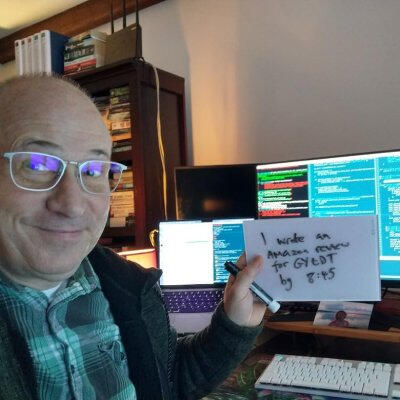
"A tough period for me interacted with my (undiagnosed, but in-the-family) ADHD/ASD like personality to really undermine my productivity. I was simultaneously both ferociously busy (but working on the wrong things, leaving central but intimidating tasks untouched) and responding to the mounting anxiety of that situation by dropping out, binging hobbies and unproductively clicking around in an effort to escape the stress. I had an ever-growing personal TODO list, and was failing to fulfill my potential at work.These books give tools to rectify situations like this. Their advice is straightforward, demystifying, and immediately actionable. Indeed, possibly the biggest weakness of 'Self-Command' is that its central advice is so simple that it's easy to think it couldn't actually work. But it works for me, I just had to actually do what it says.The mini whiteboard that Self-Command is based around (pictured) forms part of my workflow every hour of every day, and has for a couple of years now, ever since I read this. I'm not going to say I'm now a perfectly efficient machine in all regards, but I can say that I'm now satisfied with my focus and the usefulness of my efforts, whereas before I was a long way from that.To my mind, the fact you're here, reading this page, suggests that maybe you're ready for a change like that too. So, fellow traveler, I'm leaving this wholehearted recommendation here in the hope it helps you out, as others helped me. :-)I read the textual ebook versions, which read like the transcript of the audiobook that they are. This leads to text which is quite informal and more verbose than tightly edited prose would be, but this makes it a quick and easy read, which is exactly what is needed.Five stars. Literally life changing."
Additional praise (bold emphasis added)
"I've been using Chris's Self-Command method all year, it works... I'm a pretty organised person with todo lists and spreadsheets etc. I need to be in order to run my business effectively. But [the] Self-Command method helped me to take things to a new level in a difficult year (2020) and beyond. I recommend it... This is very easy to get started."
-Jake Birkett"As a mid 30's career changer, [Self-Doubt] addressed deep seated fears I have but didn't really want to articulate. I thought this was great! A lot of value added for me, the answers had some great nuggets of wisdom. Especially because the ask is a little over 2 hours this is an easy recommendation I'd make to others as an addendum or expansion pack for Self Command."
-Jeremiah Franczyk
MMO Associate Systems Game Designer"I started using @ChrisDeLeon's 'Tiny Whiteboard' technique, and as a chronic scatterbrain I cannot TELL you how much it has improved my productivity... If you're very easily distracted like me and staying on task (especially during these hell times) has been a challenge, I super recommend it! ...absolutely check out his books at Self-Command.com. TONS of stuff on how to reprogram your mindset to be more productive and kinder to yourself. I don't think I know a creative professional who doesn't struggle with productivity issues and/or negative self talk, and Chris' work is a huge resource for doing better work and feeling better about it. Can't recommend it enough!"
-@RyanIkeComposer"@ChrisDeLeon over-delivers in every possible way. Years of research and refinement, text, audio."
-@KarlNieberding"I love creative work. I'll start making something, maybe divert briefly to an exciting adjacent opportunity, perhaps explore and research it a little, think about how to fold it into the rest of the work, and in a few hours I've redesigned my project. And that's great! This is how projects improve. But, it's not how they get finished. When I want to finish something I need it to keep moving forward, so I have to commit to completing the occasional task. I've found Chris' technique excellent for this. I don't use it for everything, but when I know I need to get something done, and that my brain will need its leash, I pop the task up on my little whiteboard and get it finished."
-Farbs
"If you have any to-do list system, whether it be a bullet journal, a to-do list app, Trello, Asana, or anything else, you know how easy it is to get overwhelmed when looking at it. Heck, you may even have a large whiteboard right in front of you, chock full of tasks that are constantly staring at you, but never get done. The Tinyboard Method forces you to distill what you're working on down to one specific thing that you're currently doing. That's all you need to think about, which means your focus skyrockets and you get way more done in less time. And I'll let Chris' excellent book explain them in more detail. There's plenty more nuance to this system, and he explains it perfectly (and he's a great audio book narrator too!)... Get Chris' books."
-Akash Thakkar
From, "How to Get an Insane Amount Done Every Day""Several years after listening to Self-Command, Chris’ whiteboard technique continues to be central to my daily productivity. Having already been a bit of a nerd for productivity hacks and techniques, I found the techniques and mindsets Chris discusses to be really fresh and incredibly practical."
-Praneil Kamat"The last part - 'what if I don't see or feel myself making progress?' - was really good. The language is very understandable for me (English is not my first language). The pacing of the speech is spot-on."
-Barış Köklü"Ever since I started Self-Command, I get so much more done in a day than ever before, with less unintended side tracking. I'm so very grateful for Chris' wonderful work. I highly recommend it."
-Sang Nguyen"I was pleasantly surprised to find how well this fits in with all the GTD (Getting Things Done) stuff I've been looking into. In fact, it kind of seems like the missing element of GTD, or at least my implementation. At first, I thought I would be putting aside all of my current productivity systems I've been experimenting with, but it seems like this idea fits in with just about any type of organization system, planner, or productivity method I've ever heard of. Because, really, those tools help you focus on what you should be doing, while this system is a tool to actually do that thing. They should complement each other well."
-Anthony Juarez
Coaching for Projects that Change Your Path
Finishing the right projects can advance the plot in your life
What's the next mission to make progress on your main quest?It's normal to have many interests. There's so much you can learn or create today.But most of those are side quests - curiosity, a break from things we take seriously. Doing those is like visiting a theme park: memorable, enjoyable, but not part of how we see ourselves outside of it. (Disney adults notwithstanding - no judgement.)Your main quest is the thing where every time you make any progress, even just reading or thinking more about it, you feel yourself becoming more the way you want to be in the world.It may not be your final answer. But you know whatever comes next will happen on the other side of exploring this interest.You'd feel better to try and then - in whatever sense - fail, than to regret never letting yourself give it a serious attempt.Other decisions - like day job, where to live, picking books or podcasts - you filter for if it's compatible with pursuing this.
"But I don't think I have a calling" or "I have 12 ideas"
Aren't sure which interest is your main one, or what to do next for it? Either way, the first step is I'll help you narrow it down.If you don't know what the most important thing is to be doing, figuring that out is the most important thing to be doing.There's a straightforward process I've used for 8 years to help people narrow down which project to take on next.Though, sometimes, the only way to break a tie is to take a few steps in different directions to feel which is right for you.
Finished projects are stepping stones for the main quest
As in any game, you can't skip to the last part. Steps are necessary to level up, until the final part is the next natural step.Along the way we become more capable than we were before, and gain clarity. That's what makes it rewarding. Making the right things can change the way we see ourselves, and what we see as realistic options.Picture someone about to reach the end. What did that person do before this point that made them ready for it?That's the roadmap. We'll work backwards to build a workable plan from here to there - from who you are to who you'll be.
The audience you most need to convince is yourself
"If you hear a voice within you saying, 'You are not a painter,' then by all means paint, and that voice will be silenced, but only by working."
Vincent van Gogh, October 1883
In a letter to Theo van Gogh (brother)
There are more reasons to do projects than wanting the end result to exist. For the rest of your life, you'll be more skilled than when you started. Also - though this sounds less visible, it can't be hidden - you'll be more confident in your ability.The finished project is evidence you can show other people. More importantly, it's evidence to show yourself.Expanding what you've done expands how you see yourself, and which doors you let yourself knock or walk through next.Firsthand experience also becomes your ticket for meetups or conferences of people as part of the community of people who do the thing, without feeling like an outsider.Demonstrated ability is also the only thing sensible strangers accept when looking for someone to do a job they need done. In many practical fields, having done something before is a bigger factor in landing gigs than any fancy credential.
I specialize in helping people complete main quest projects
Most people find progress is slower and harder than they imagined. That can feel discouraging enough to entertain thoughts of giving up. I've helped a lot of people through that.Coaching has never been my main work, but I've done over 4,000 hours of 1-on-1 calls for a few dozen clients since 2014. When I began coaching, I first focused on people who saw making their own computer games as next in their main quest.A handful of people I coached--some over 5 years, a few for more than 10 years--pivoted to non-game projects. They kept our calls going because they saw how, despite it starting for games, my help isn't limited to that situation. At the core, my expertise is supporting people doing something they're new to, making and following a plan to finish by the date they pick.From those experiences, I helped enough people with small businesses, content creation, and career pivots that since 2023 I've been taking on new clients (in a few cases already together over a year) who have no interest in making games.
We'll start with a 5-week, one-on-one personalized program
We'll meet on zoom for around 1 hour each week, on flexible timing that you choose and can easily reschedule.I'll listen to your background and situation, guide you through the process to narrow down which interest or project to focus on next, and we'll build a reasonable plan together to finish and release it on a date you decide it'll be done by.Depending on the pace of getting through parts, this usually leaves 2 calls remaining. In those, we'll touch base on how it's going to course correct your plan, like GPS updating for a new path to your destination after an unexpected detour.Your project does not need to fit within a 5-week span. You can save those last calls until where it lines up for your schedule, any time in a 7-month window.Examples of ways you might choose to pace them, for professional input and accountability:
-
Wrap up 5 weeks after starting, by using the remaining weekly calls immediately to help smoothly lift off the runway
-
Midpoint and ending check-in: plan one call near the end date on your schedule, the other halfway to that point
-
Retrospective and next steps: plan one call shortly after release, the other a month later to plan what to focus on next
You could even aim for a project larger than 7 months, such as if you've gotten a head start on it already, or if you'd like support on a particular stage of it (ex. getting it to a stage of being ready for testing).For many people, the 5th call will be the end of the coaching. During that time, I'll help you learn the processes as they apply to your specific situation, so you'll be able to do them on your own any time going forward.If you'd like to touch base more than 5 times, such as weekly throughout or beyond the project, if we both feel it's a good fit then I sometimes start new weekly clients after they've completed the 5-week intro program.Depending on where you are in your journey, there are 3 main areas that I help with if you continue into ongoing meetings:
Finish the Project
Everyone working for themselves soon discovers it's too easy to slip our own deadlines. It's even harder if finishing the project may update how you think about your identity. Even good change can be uncomfortable.When will you be done? "By the end of this month," turns into "next month," "this year," "next year," until it turns into, defeated, "I don't know."For 20 years I've helped people finish their projects, on time. We'll pick up from what you have so far.
Find Your Audience
No matter what you want to do - writing, art, speaking, games, etc. - being good at the skill won't help unless you can get the word out. Even if your goal is to find a job doing your skill for a company, to stand out as a candidate you'll be gauged by how well you did this side of it, too.A view number going up isn't enough - are the people behind the number excited to learn about what you're doing, because it's right for them?Let's help your audience find you.
Work for Yourself
If there's an easy way to leave the 9-5 without hard work, I don't know it. I help people make progress the way I did: in stages, doing experiments to try things out--usually alongside a job or side gigs until there's traction.People who work for themselves still have a boss: yourself. As a coach I offer input, but you're still your boss.Working for myself for over a decade, I lost a few years to not thinking of business in the right ways. I can help you get over those issues sooner.

Adrian Sanders
QA Analyst
"learned more in the past few months.... [than] the last 5 years"
"With any endeavor, it helps to have a coach, and Chris is a great person to fill this need. I've learned more in the past few months working with Chris DeLeon's one-on-one training than I have in the last 5 years of trying to do it for myself. His years of experience make him invaluable. I'm gaining the skills I need."

Federico Fasche
Senior Lecturer
"Provided me with the perfect exercises for my goals"
"Chris listened to my ideas and personal objectives, and then provided me with the perfect exercises for my goals."
Experience in both business and education
Most coaches for small business have 1 of 2 big problems. Either:
-
They're a good communicator, but they haven't done the thing, just studied other people who did. They can teach you about other people's paths, but lack the background to help you think through new, custom situations.
-
They've done it, but aren't experienced educators. Like any skill, people new to teaching make beginner errors. If they haven't helped other people do it, it's unknown if they can convey from their story what's useful for someone else's.
I've spent a decade doing the things for my own business that I coach people through, and I'm an experienced educator.I've taught in universities, ran group programs for hundreds of projects, made video courses and audiobooks, and have thousands of hours of experience doing 1-on-1 calls on project planning, career strategy, and navigating next steps.But it's not about dumping information from me to you - or a video would do. It means listening to your situation, finding ways to leverage your strengths and interests, and offering anything I can from my background so you can see further and clearer as you're making choices to use your limited time as well as possible.

Tim Waskett
Statistical Researcher
"Chris's training can accelerate that process of self learning"
"I've achieved so much more with his guidance than I would have done on my own. Without a doubt a great deal of the project's success has been down to Chris, helping me keep everything on track as well as pushing my own skills.I wasn't even sure what I wanted to get out of our training sessions before we started; I am generally pretty happy trying to learn stuff on my own. But as the weeks progressed I've realized that Chris's training can accelerate that process of self learning, directing it in the most efficient way and getting you to where you want to be faster and with fewer dead ends. I'm months ahead of where I'd have been otherwise and that's time I can make good use of now. That's invaluable.Chris provides a unique service. He knows his stuff, he's been there and done that. I can guarantee there's a lot of stuff he can teach you, or at the very least show you what it is you didn't realize you didn't know before! His passion and professionalism will give you the confidence you need."

June Rockwell
Senior Software Engineer
"Patient, open-minded and thoroughly knowledgeable"
"Chris is a good instructor – patient, open-minded and thoroughly knowledgeable."
Finish your project by a deadline you choose
If you're struggling to follow through on bigger projects, steadily making progress in a way that adds up and leads to a release ready for the public, I'd like to help.I'll guide you through getting it the rest of the way, so it can be real and out in the world. I've led hundreds of people through the techniques I used, made a top course on the subject, and can support you in how to apply it to what you're doing. You'll learn to do this process yourself, but it's less about steps than about rethinking how you balance tradeoffs and deadlines.

Brice Morrison
Professional game developer
"saved me years of effort through tough decisions he surfaced"
"Over the past few months Chris transformed my game development goals from vague fantasy to concrete reality with a timeline.Each session we review the current state and schedule, and his candid feedback uncovers hidden problems that would have caused wasted effort. Prioritization, scheduling strategy, being more efficient, and working with constraints are his specialty.Having easily saved me years of effort through tough decisions he surfaced, it's the best dollar-for-value I've spent on my game so far.Chris has been amazingly helpful and took this project from a complete standstill - on a trajectory to be completed in 10 years - to on a path to getting a demo out soon and shipping within a reasonable amount of time. It’s been hugely valuable."

Philip "Mr. Phil" Ludington
Senior Software Engineer
"Helps me steer clear of tangents, distractions, and feature creep"
"Meeting with Chris keeps my forward momentum going. He helps me steer clear of tangents, distractions, and feature creep."
Making the right content can change your life
If you're looking to create original digital work (video courses, podcasting, YouTube, games, ebooks/audiobooks, portfolio site, apps) I've done all of these, reaching hundreds of thousands - in a few cases millions - of people.Some people's reflex is to assume this isn't relevant for them. "What if I don't have an audience to put a message in front of? Just a normal amount of online followers - or I don't use social media at all - no active video channels, no email list..." That's thinking about it backwards.Creating the right messages, for the right audience, in the right format and style for them, in such a way that people will share it, can change life for the better. I didn't have much reach when I started making videos, games, or podcasting. Doing that work is how the people who are still in my now expanded audience found me.Increasing the size of a follower count isn't usually what's most important, there are many other reasons to make content:
-
Build an audience of people who appreciate your work. You're better off with a smaller, denser crowd of people who support what you authentically believe is the way to do things, than a larger crowd of the wrong people who may pressure you to veer off track. Even if many other voices or solutions exist for your chosen topic, different people want it in ways that suit them best - by level of detail, tone, or context. There are people who right now can't find the fit for them, because they're waiting for you to put your approach to it out there, in a way that can show up in their life.
-
Bottle your experience to benefit others. This is my favorite reason! If you have a better way to do something, let's help more people do it your way, through a video course, ebook, or community. If you've invested in networking events to find and meet great people, you can even share your network with the world through interview podcasting or online video panels. I have years of experience doing things in all of these formats to draw from, saving you some trial and error.
-
Improve your positioning and build authority. Are there opportunities you believe you could do, but don't have evidence to support that you're the person for it? When choosing which projects to make, one way I help people is we work backwards on what fills portfolio gaps, shows off their strengths, or otherwise can open doors for next steps. The process and work involved in doing the proof also organizes your thinking in a way that sets you up to be a stronger candidate, while giving better ammunition to people on the other end to make your case to who makes the decision.
-
Gaining the confidence to put yourself out there for opportunities, by showing yourself what you can do. Though it is important to show the outside world what you're capable of, many people skip networking events or don't even apply to things they don't feel ready for. They might try to psych themselves up, but can't muster it, because they don't feel legitimate about even thinking of themselves as a writer, video creator, developer, or otherwise. The only way past that is to do the thing. I know that's easier said than done when it's something you've never done before. That's exactly what I've spent decades specializing in guiding people through.

N.E. Johnson
Author and content creator
"huge help in keeping my ADHD from going completely off the rails"
"It’s amazing how useful it is to have someone to talk to about my work and projects, even more so if they are a professional in the field that can ask the right questions, point out what I’m missing, and keep me focused on my goals. A huge help in keeping my ADHD from going completely off the rails."
Charles Zammit
Cybersecurity Instructor
"Can help bring clarity to complex ideas while keeping you moving"
I've worked with Chris for over a decade on one of the most ambitious projects of my life. While we originally met around game development, what kept me coming back wasn't technical advice - it was his ability to help me think more clearly, stay accountable, and continue making progress year after year.Creative projects inevitably hit periods of uncertainty, burnout, and overwhelming complexity. Chris has a gift for breaking those moments into practical next steps. Instead of telling me what to do, he consistently asked the right questions, challenged my assumptions, and helped me discover solutions that fit my own goals.The project we started together eventually became a published product, but the lasting value went far beyond that. The way I approach planning, problem-solving, and long-term projects today is deeply influenced by our work together. If you're looking for someone who can help bring clarity to complex ideas while keeping you moving forward, I recommend Chris without hesitation.
Think like a business in what you do, and why
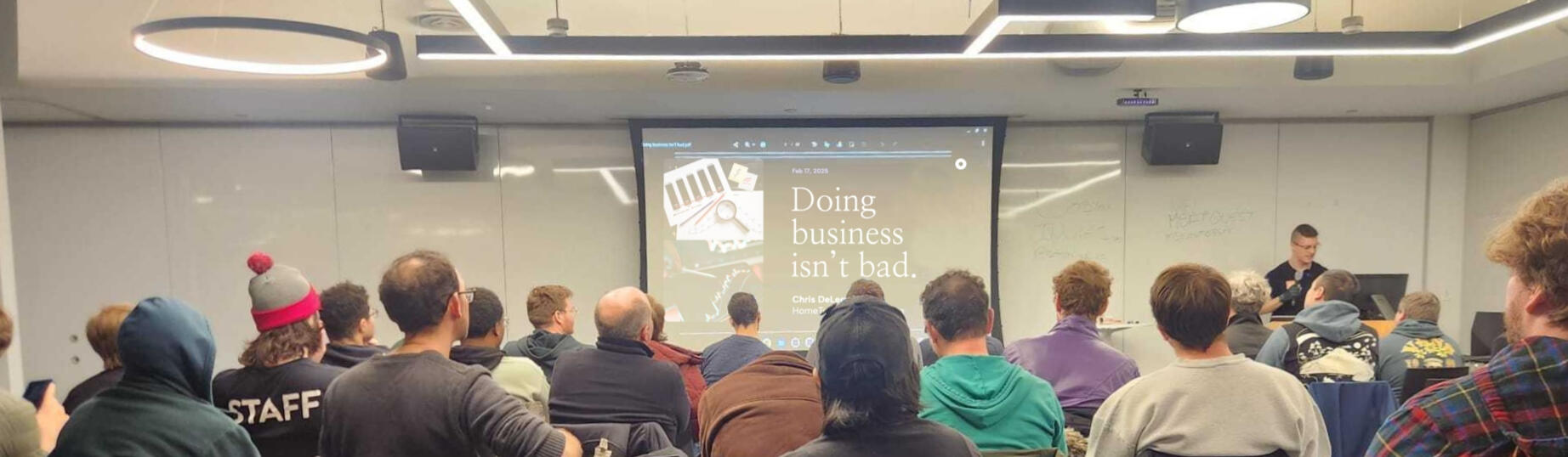
Many people from specialist backgrounds - coding, writing, art, teaching or otherwise - have feelings about business that sabotage their strategy, reach or sustainability. It's a struggle I went through in 2009, and fell back into a few times over the years. Like a study tutor or athletics coach is often someone who had to work at it, so they had to learn strategies - not who it came to naturally - I can help you untangle these knots because I had to find so many angles to correct my own framing.We'll begin by talking about your high level situation, such as your goals, strengths, and timeline or risk tolerance. Next we'll get clarity on what you're after in the near and long-term, so that can inform the way we talk through choices and details. Despite what people often assume about "business" framing, depending on your stage and situation revenue may not be as important as work to improve your positioning or readiness, or even gather information before going further into something.Examples of way I've helped other clients, and can support you, depending on which of these apply:
-
Keeping perfectionism from taking a toll on the big picture
-
Doing experiments to inform how to spend your time better
-
Addressing thoughts that derail you from doing what you mean to do
-
Navigating tradeoffs to match the reasons you're doing each project
-
Overcoming a belief that you need to do it alone for it to "count"
-
Positioning with site updates or picking work strategically to fill gaps
-
Making your work easier to find by who you want to know about it
-
Bouncing back swiftly from rejections or discouraging comments
-
Promoting your work in a way that you feel great about doing
If you put obstacles in your own way no one else can remove them. Even if they could, you'd put them right back. So I can't change those perspectives for you. I'll help you learn how to change those for yourself, so you can get out of your own way.But what's the right way forward, and what does or doesn't stand in your way, varies based on your priorities and goals. I developed a simple framework years ago to help people understand their reasons for making games, then found from my non-developer clients the same motivations are relevant if you're an entrepreneur or creative worker outside of games, too.

Sid M.*
(Not related to games)
"Given me a sense of momentum which was missing before I met him"
"I work with Chris to help me move forward in my business, and I've probably saved years of running off in unhelpful directions. His sharp and targeted questions (coming from a large and diverse amount of knowledge and experience) have yielded many helpful insights and given me a sense of momentum which was missing before I met him."
* Why no photo or full name? My clients include people with day jobs in Fortune 500 companies and top universities who prefer to keep discreet that they're experimenting with a side business. If that's your situation, too, it's not an issue!
Chinua White
Graphic Designer
"Solve business logic problems before they derailed... progress"
"Working on ongoing projects one-on-one with Chris has trained me to plan, build and walk my clients through their complex long-term projects to secure their buy-in and confidence. His scheduling flexibility has enabled me to keep skills fresh even when my clients' evolving needs made my schedule chaotic. The added benefit of explaining my intentions when setting our session plans allowed me to solve business logic problems before they derailed precious progress. As a working professional, Chris's coaching gets my highest recommendation!"
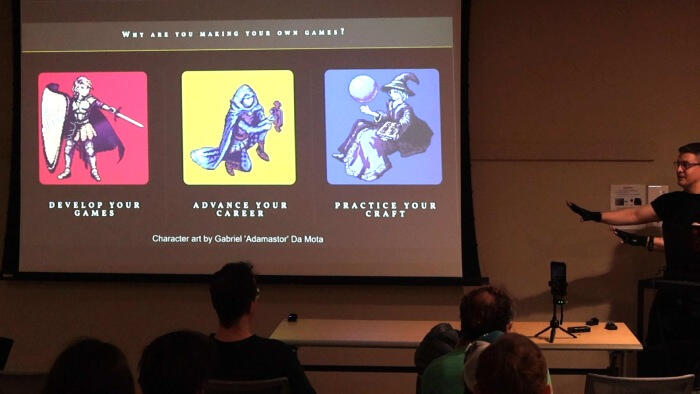

"In one of my favorite talks he gave, he did an excellent job at helping people navigate their own personal motivations and passion."
Gavin Camlin • Event Organizer
See the speaking testimonials page for the full quote
I'm looking forward to helping you work through the challenges you're facing. Let's do this.Simply fill in the Book Chris form, and skip the Organization field. I'll be in touch soon to figure out details.
Book Chris

"brought energizing new perspectives... positive energy, is insightful, uplifting, and professional. I absolutely recommend Chris as a speaker"
Chris Maire • Boston GameDev President
See the testimonials page for the full quote
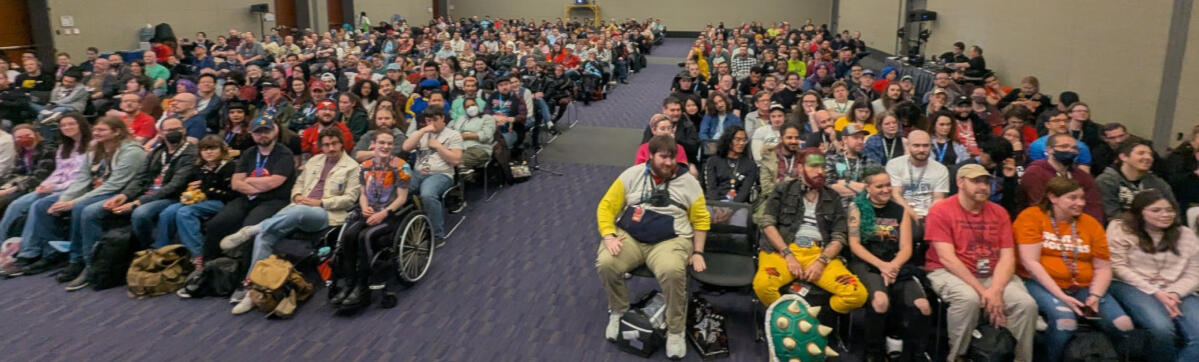
Let me know your needs! I'll be in touch within 24-48 hours

"able to make difficult concepts approachable to new audiences while providing the depth more experienced attendees want... a strong asset for any conference"
Andrew Greenberg • Georgia Game Developers Executive Director
See the testimonials page for the full quote
Submission received
You rock

Thanks for reaching out!I'm usually able to respond by e-mail within 24-48 hours.
I look forward to chatting soon about what you're looking for, and what I can do to help.
Contact form error :(
Good thing you're not booking me to build a website!
Sorry for this inconvenience! The system hit an error sending your message. It won't reach me. I recently (August 2026) updated how it's set up, and there may be wrinkles to iron out in this new--supposedly better!--setup.As a fallback workaround, please shoot me an email at contact@chrisdeleon.com with the Subject Line: Booking Inquiry.Here's me with my favorite tree in the world since 2009 that I've visited annually, besides the few years of pre-vax covid, thinking about life and no doubt reflecting on if my flawed contact form might cost me an opportunity to help someone: